


Implementation of SBR Pond Cleaning Works and Enhancement of Biological Treatment Efficiency in Riyadh
Project Description
A project specialized in the cleaning of the Chain Reactor (SBR) basins and the removal of sediment accumulated inside the A1, A2 and C1 tanks, with the aim of improving the efficiency of biological treatment and the stability of operation in the wastewater treatment plants.
Client
National Water Company (NWC)
Service Provided
Clean SBR tubs and remove sediment
Project Status
Successfully Completed
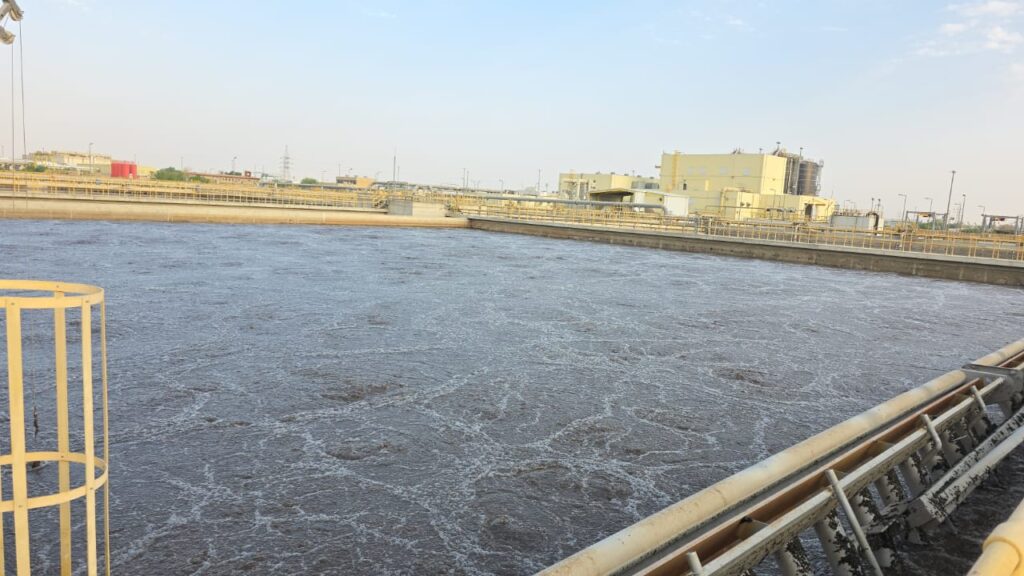
Before Work
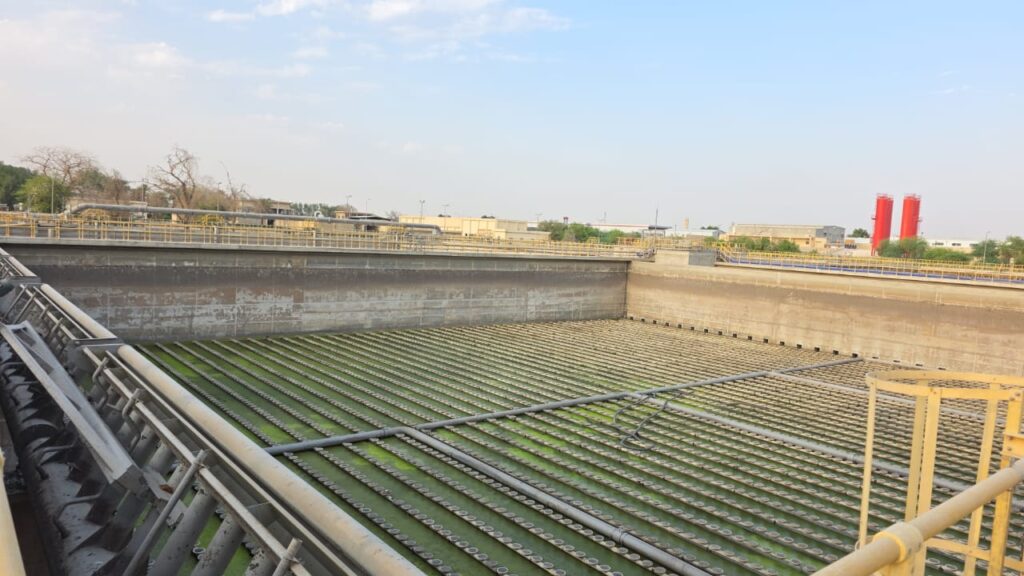
After Work
Objectives & Challenges
/ Project Overview
This project is one of the projects specialized in the cleaning of biological treatment systems within wastewater treatment plants, where the cleaning of the Chain Reactor Ponds (SBR) was carried out, which is considered one of the most important bioremediation units responsible for improving water quality.
The project aimed to remove sediment accumulated within the ponds, improve the efficiency of the biological reaction, and ensure the stability of the operational processes within the system.
Scope of Work
The scope of work in this project included:
- Cleaning SBR basins Completely
- Removal of sediment and suspended material inside the ponds
- Cleaning A1, A2 and C1 tanks
- Optimizing the biological interaction environment within the system
- Support Operational Stability
- Execute work without affecting system efficiency
/ Project Challenges
The project faced a number of technical challenges, most notably:
- SBR system sensitivity and direct impact on any sudden change
- The need to maintain biological balance within ponds
- Handling of sediments that affect the efficiency of the reaction
- Carry out work without affecting processing quality
- The need for high accuracy in execution within an advanced operational environment
Project Execution and Treatment Methodology
The project was implemented according to a precise methodology that takes into account the nature of biological treatment systems, as it included:
- Assessing the operational status of the basins
- Determining the level of accumulations and their impact on performance
- Preparation of a step-by-step implementation plan
- Carrying out extraction and cleaning works using specialized equipment
- Maintaining system stability during execution
- Post-completion performance monitoring to ensure efficiency improvement
Safety and Risk Management
The project was implemented according to the highest safety standards, as this included:
- Implementation of safety measures within treatment plants
- Use of Personal Protective Equipment (PPE)
- Pre-implementation risk assessment
- Continuous monitoring of the work environment
- Compliance with the Work Permit System (PTW)
- Apply emergency measures when needed